





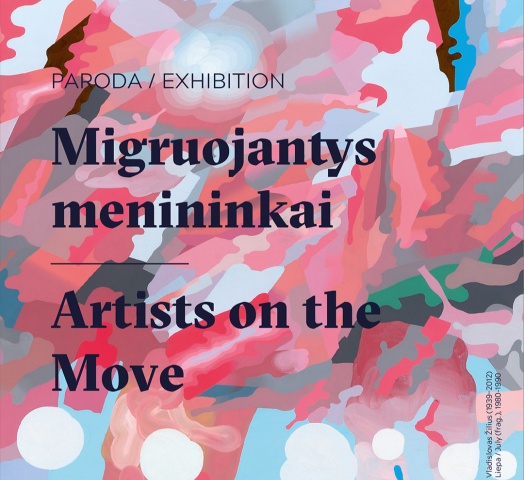
We invite you on a retrospective journey through nine decades of the twentieth century, following the traces of Lithuanian artists far beyond the borders of their homeland.
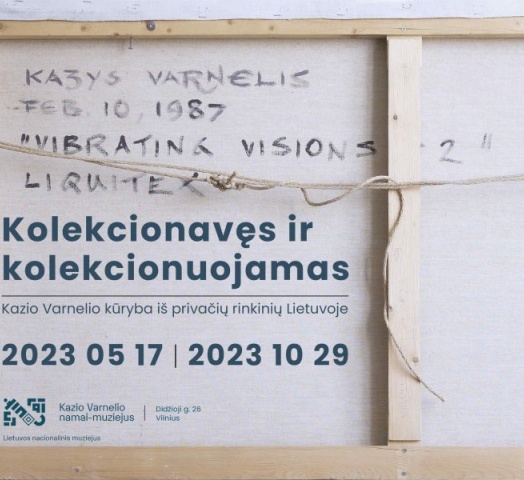
On May 17th the exhibition ‘The Collectible Collector. Artworks of Kazys Varnelis from private collections in Lithuania\' opened at Kazys Varnelis House-Museum. TARTLE lent 5 artworks for the exhibition.
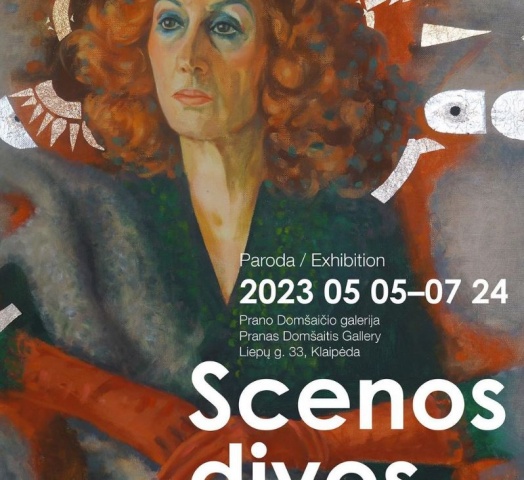
On May 5th the exhibition Stage Divas opened in Pranas Domšaitis gallery, which gives a rare opportunity to get acquainted with actresses who created memorable roles, recognized music performers and the work of artists who immortalized them, as well as to rediscover the history of Lithuanian theater, fashion and art. TARTLE also lent two works to this exhibition.
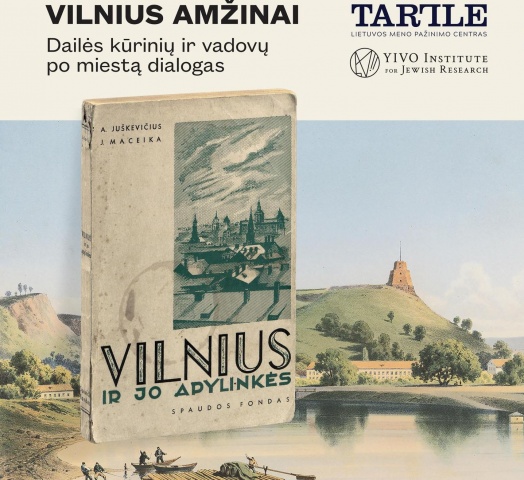
On 25th May 2022 we are opening the fifth exhibition of the Lithuanian Art Centre TARTLE, which has been prepared in cooperation with the YIVO Institute for Jewish Research in New York City and is dedicated to the 700th anniversary of Vilnius.
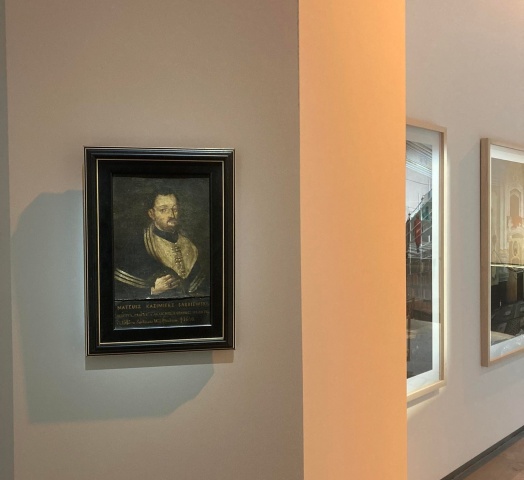
The portrait of Motiejus Kazimieras Sarbievijus painted by an unknown artist in the 17th or 18th century was loaned by the the Lithuanian Art Centre TARTLE for the exhibition Vilnius Poker at the MO Museum.
In the exhibition “In Shaping the Future”, technology becomes part of cultural history – a story that explores why technologies emerge, who creates them, and what they reveal about society, the state, the spirit of an era, and human imagination. This exhibition offers an opportunity to see Lithuania not only as a country benefiting from global progress, but also as one that contributes to shaping it. TARTLE has lent the painting “The Electrical Equipment Factory” by Marija Teresė Rožanskaitė for this exhibition.

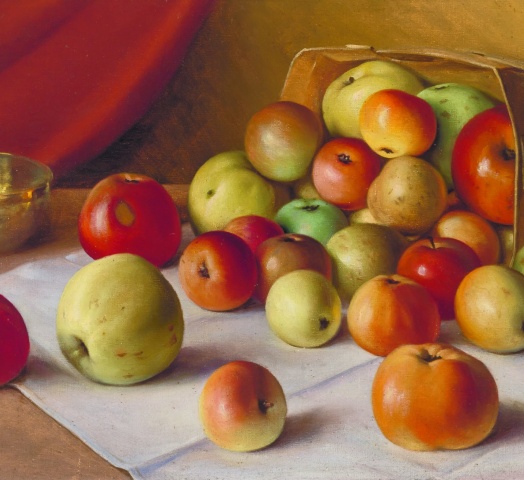
On 13th April the exhibition I’m coming back... was opened at Ukmergė Regional Museum.
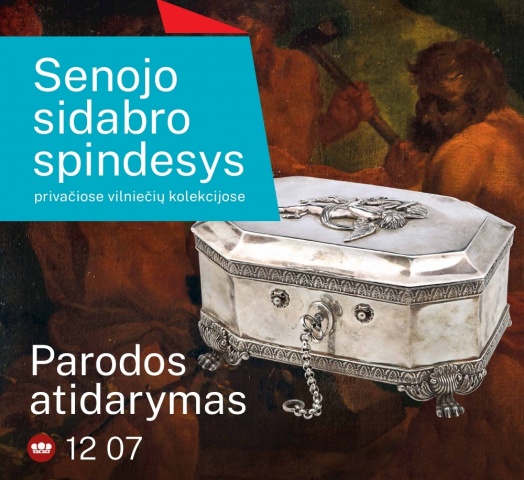
On 7th of December exhibition The Lustre of Old Silver in Vilnius Residents Private Collections was opened at Palace of the Grand Dukes of Lithuania. This exhibition presents silver treasures currently in the collections of Vilnius’ collectors. In the exhibition, you will also find silver works loaned by the the Lithuanian Art Centre TARTLE.
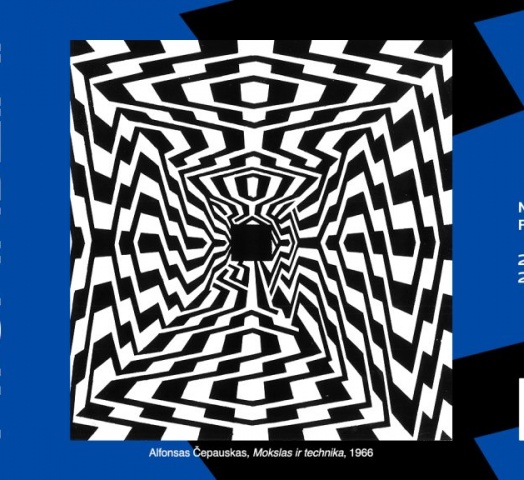
On 25th August exhibition Op Art Reflections was opened at the MO museum. In the exhibition for the first time in Lithuania, the influence of optical art on the work of Lithuanian artists in the 1970s and 1980s will be presented. One of the artworks in exhibited there is “Op Art Composition” (1969) by Vladislovas Žilius which was loaned by the the Lithuanian Art Centre TARTLE.
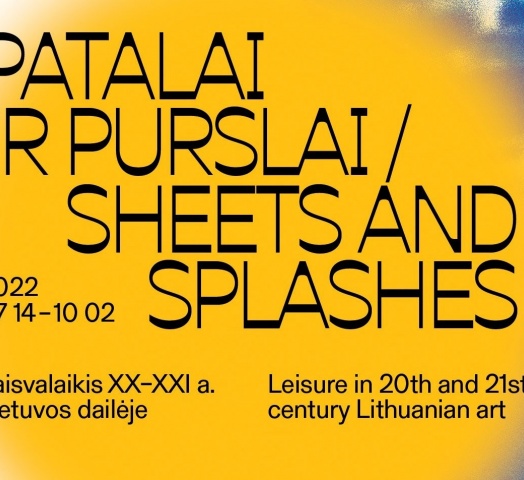
On 14th July exhibition Sheets and Splashes. Leisure in 20th and 21st century Lithuanian art was opened at the National Gallery of Art. In the exhibition these matters were revisited as the curators looked through almost thirty public and private collections in search of images of leisure in the artefacts of Lithuania’s modern visual culture: painting, graphic art, sculpture, photography, applied art, contemporary art, advertising, feature and documentary films, and amateur art. Seven artworks for the exhibition were loaned by the the Lithuanian Art Centre TARTLE.