

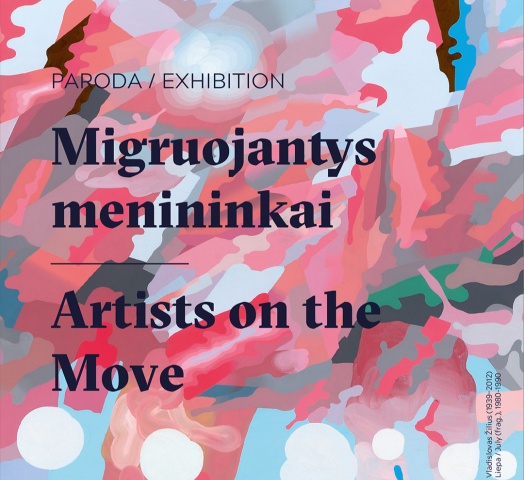
Exhibition “Artists on the Move” 2026-05-28 — 2027-04-30
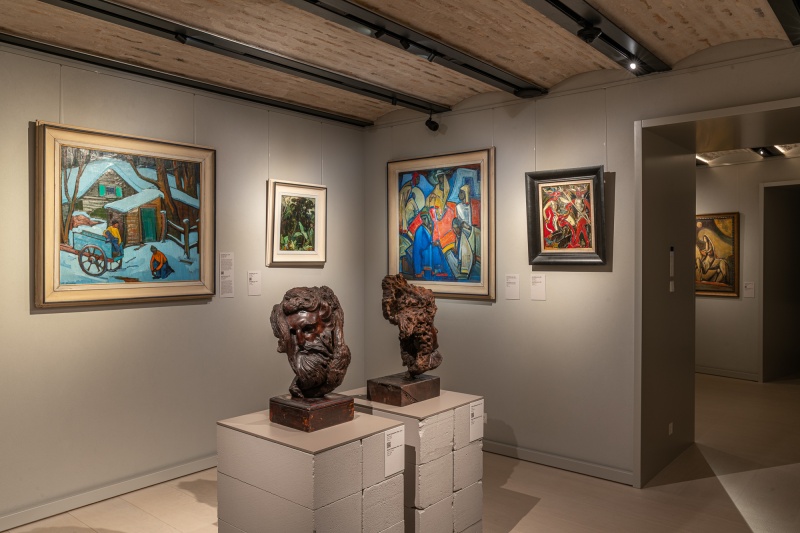
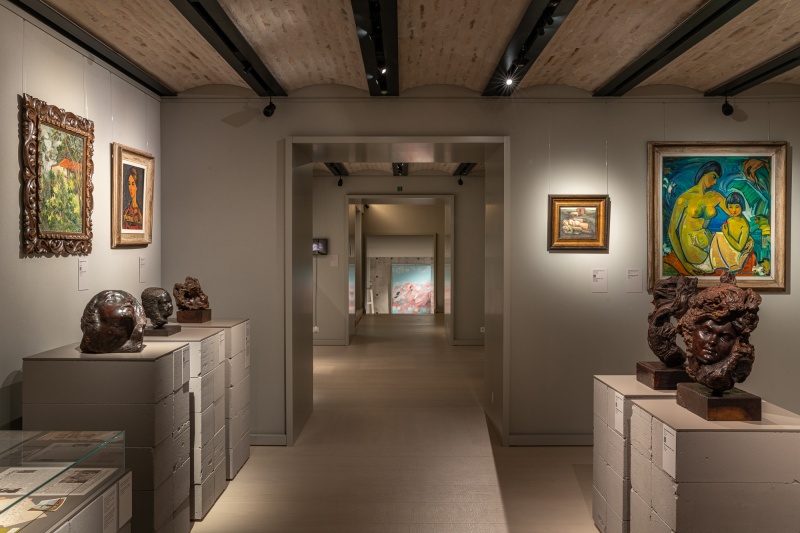
This exhibition traces a retrospective journey through nine decades of the twentieth century, following Lithuanian artists far beyond the borders of their homeland. Spanning the period from their studies at Parisian academies in the 1910s to the mature modernism of the exile period at the century’s end, it tells the story of the artist as a wanderer – carrying home within a canvas, a sculpture, or a print while navigating shifting borders and political upheavals.
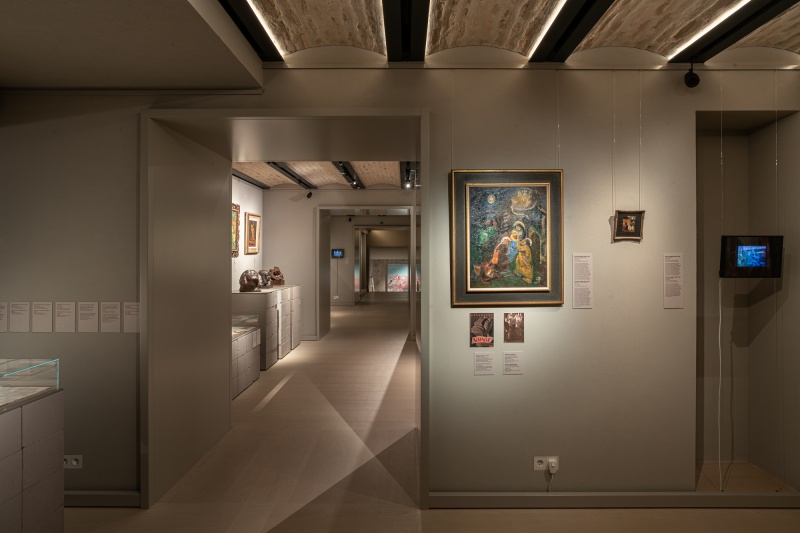
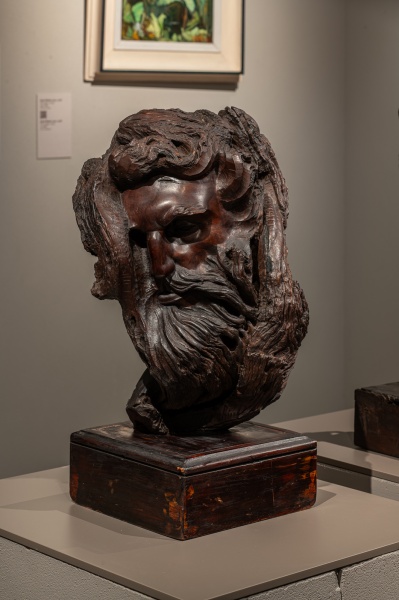
The exhibition presents rarely shown works by Lithuanian émigré artists who followed both transatlantic and continental migration routes, bringing together paintings, prints, sculptures, and archival materials that enrich this multifaceted narrative. Although the reasons that forced many of the exhibition’s protagonists to leave Lithuania were often painful and complex, migration also enabled the circulation of ideas. As artists moved across countries and continents, they carried with them knowledge, experience, artistic ambitions, and the influence of their teachers and artistic circles. These encounters reshaped styles and forms, encouraged adaptation to local artistic currents, and at times inspired the search for a distinct artistic identity.
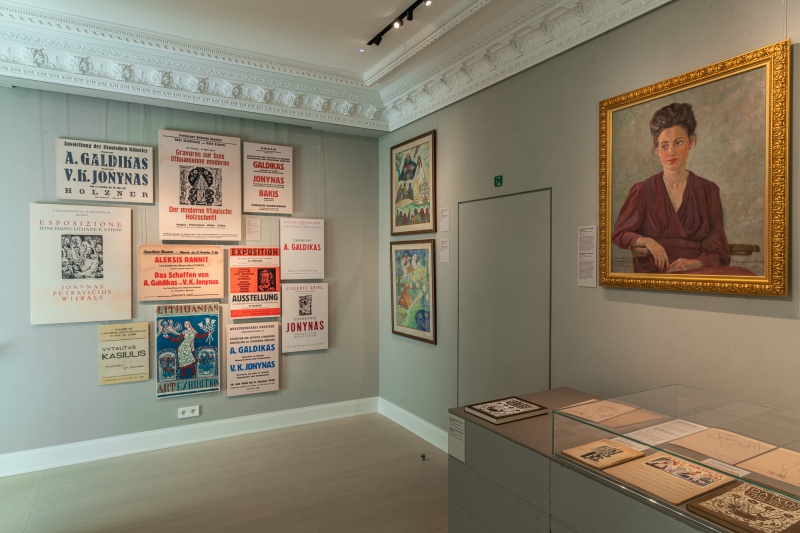
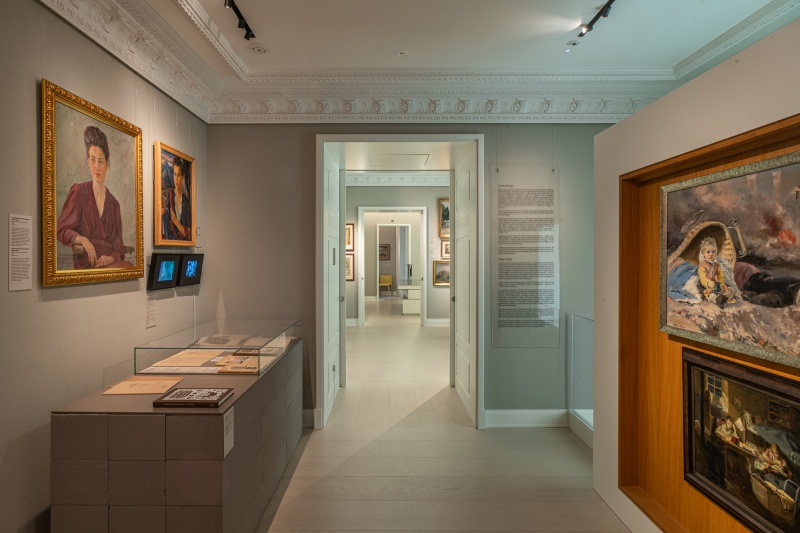
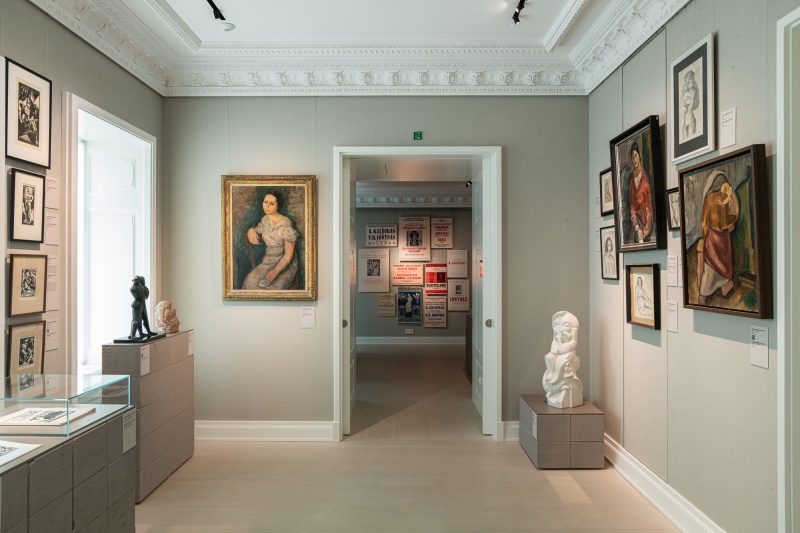
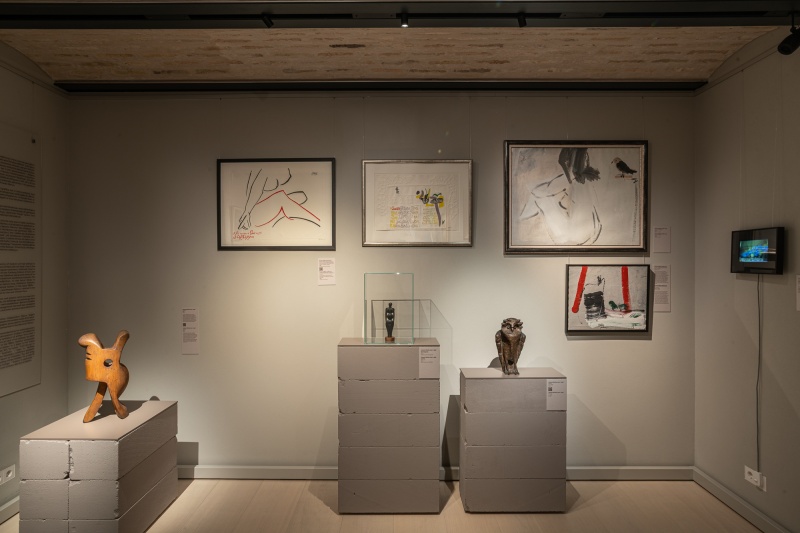
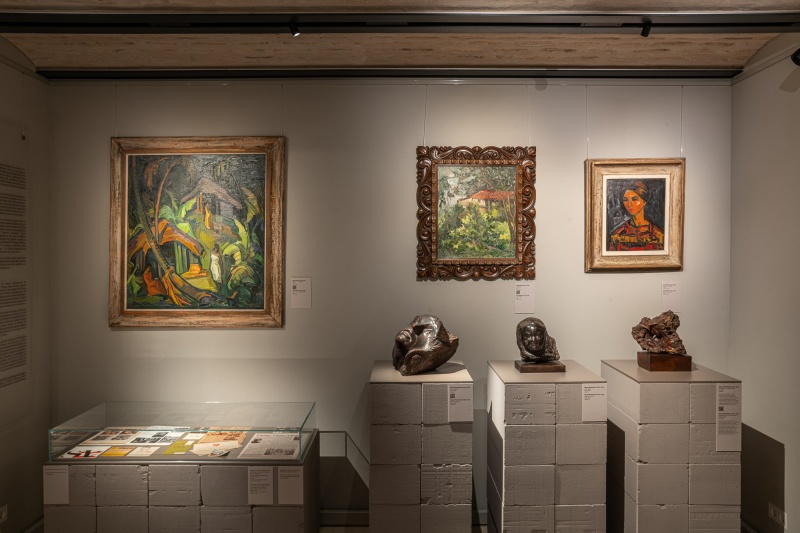
The exhibition unfolds through the geographical trajectories of migration. Visitors are first introduced to the hopeful atmosphere of interwar Paris – a world of curiosity, artistic experimentation, bohemian student life, and the search for individual expression. This youthful optimism was interrupted by the Second World War, which profoundly altered the artists’ lives and creative paths. The narrative then turns to Germany, where around 150 Lithuanian artists found refuge at the end of the war. The works displayed here testify less to traumatic experience itself than to the determination of displaced artists to continue creating, organising exhibitions, preserving their cultural identity, and representing Lithuania abroad. The exhibition later returns to postwar Paris – less welcoming than before the war, yet still fertile ground for several Lithuanian artists who developed strong and distinctive artistic voices there.
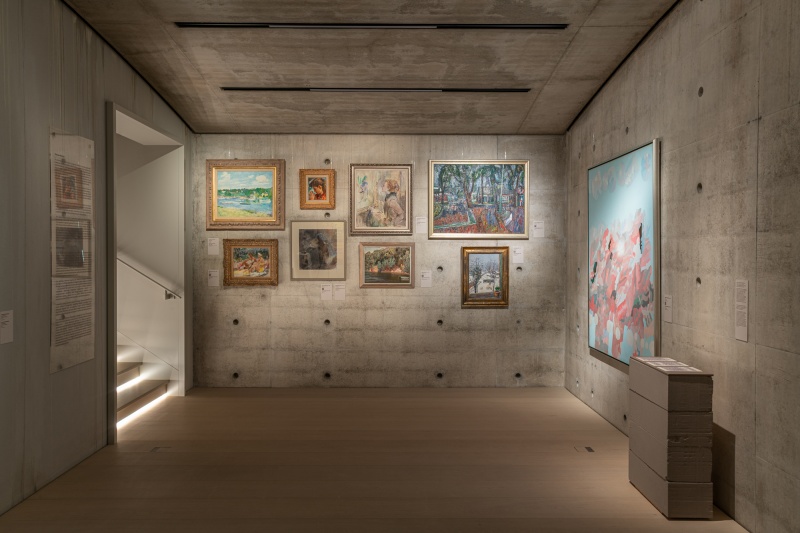
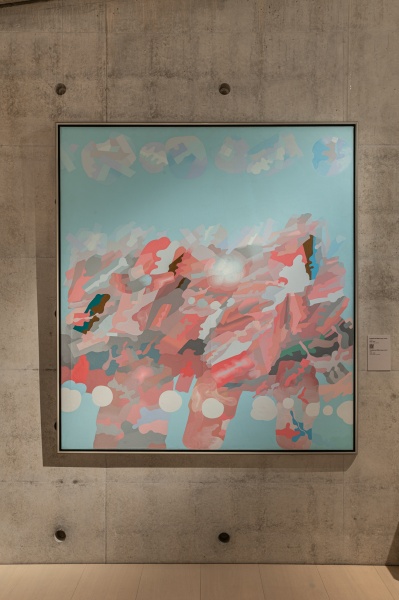
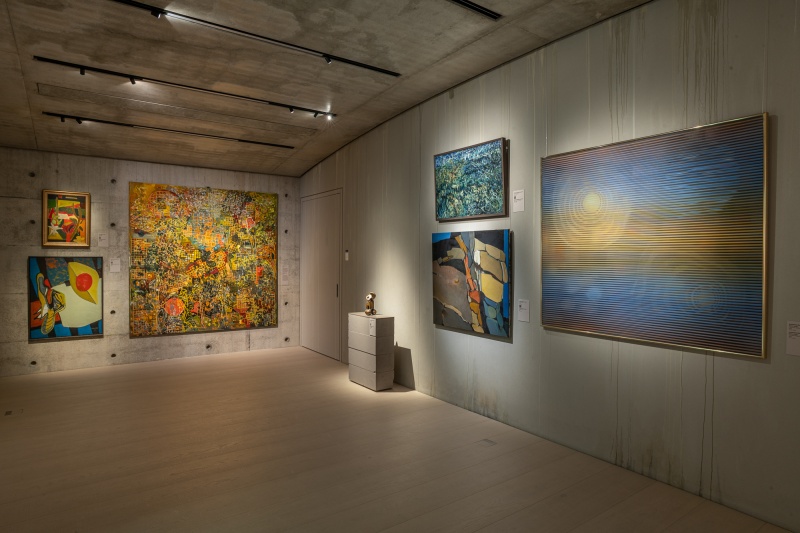
Finally, visitors are invited to follow the artists across the Atlantic. Although South America never became a major destination for Lithuanian artists, several remarkable individual careers emerged there. In the second half of the twentieth century, however, the largest Lithuanian artistic diaspora formed in North America. The main exhibition hall explores the duality that marked the work of artists who emigrated to the United States: some sought to preserve the artistic traditions and experiences they had brought from Lithuania. In contrast, others integrated into the American art scene and pursued new forms of artistic expression. Amid this rich constellation of stories and images, the exhibition also highlights one particular case study – the life and travels of Pranas Domšaitis, whose trajectory encompassed both continental and intercontinental migration.
We invite you to discover, through this exhibition, an important part of twentieth-century Lithuanian artistic heritage created across Europe and the Atlantic – works that, in various ways, have found their way back to the homeland of their authors. The exhibition reflects one of TARTLE’s central missions: the return of Lithuanian cultural heritage. Among the most remarkable examples are the paintings of Jonas Rimša, a large collection of which reached Lithuania in 2008 after TARTLE founder Rolandas Valiūnas met the artist’s sister living in Argentina. A few years later, in 2014, four sculptures by Matas Menčinskas also returned to Lithuania with the support of the Lithuanian community in Argentina.
The exhibition Artists on the Move brings together more than 100 works and archival documents that reveal both the individual lives and creative trajectories of artists while collectively forming a broader, kaleidoscopic portrait of the migrant experience. Alongside some of the best-known Lithuanian émigré artists – Pranas Domšaitis, Jacques Lipchitz, Jonas Rimša, Elena Urbaitytė-Urbaitis, Lasar Segall, Kazys Varnelis, Viktoras Vizgirda, and Kęstutis Zapkus – visitors are also invited to discover lesser-known figures, including Ona Dokalskaitė-Paškevičienė, Irena Jackevičaitė-Petraitienė, Mykolas Paškevičius, Albertas Veščiūnas, and others.
Works and archival material for the exhibition were generously lent by ARS VIA Auction House, Balzekas Museum of Lithuanian Culture, Jaunius Gumbis, Jonas Mekas Visual Arts Center, Kaunas Modern Art Foundation, Martynas Mažvydas National Library of Lithuania, Lithuanian National Museum of Art, M. K. Čiurlionis National Museum of Art, and Lithuanian Emigration Institute of Vytautas Magnus University. We also extend our gratitude to Laura Petrauskaitė for her contribution to the research on transatlantic migration stories within the collection, as well as to Henrikas Gulbinas and Arvydas Reneckis for the films lent to the exhibition.
Kuratorės: Prof. dr. Rasa Žukienė, dr. Ieva Burbaitė, Emilija Vanagaitė
Architektės: Aušra Siaurusaitytė-Nekrošienė, Agnė Makariūnaitė
Grafikos dizainerė: Daiva Sakalauskienė
Photo credits: Jonas Balsevičius

This exhibition traces a retrospective journey through nine decades of the twentieth century, following Lithuanian artists far beyond the borders of their homeland. Spanning the period from their studies at Parisian academies in the 1910s to the mature modernism of the exile period at the century’s end, it tells the story of the artist as a wanderer – carrying home within a canvas, a sculpture, or a print while navigating shifting borders and political upheavals.
The exhibition presents rarely shown works by Lithuanian émigré artists who followed both transatlantic and continental migration routes, bringing together paintings, prints, sculptures, and archival materials that enrich this multifaceted narrative. Although the reasons that forced many of the exhibition’s protagonists to leave Lithuania were often painful and complex, migration also enabled the circulation of ideas. As artists moved across countries and continents, they carried with them knowledge, experience, artistic ambitions, and the influence of their teachers and artistic circles. These encounters reshaped styles and forms, encouraged adaptation to local artistic currents, and at times inspired the search for a distinct artistic identity.
The exhibition unfolds through the geographical trajectories of migration. Visitors are first introduced to the hopeful atmosphere of interwar Paris – a world of curiosity, artistic experimentation, bohemian student life, and the search for individual expression. This youthful optimism was interrupted by the Second World War, which profoundly altered the artists’ lives and creative paths. The narrative then turns to Germany, where around 150 Lithuanian artists found refuge at the end of the war. The works displayed here testify less to traumatic experience itself than to the determination of displaced artists to continue creating, organising exhibitions, preserving their cultural identity, and representing Lithuania abroad. The exhibition later returns to postwar Paris – less welcoming than before the war, yet still fertile ground for several Lithuanian artists who developed strong and distinctive artistic voices there.
Finally, visitors are invited to follow the artists across the Atlantic. Although South America never became a major destination for Lithuanian artists, several remarkable individual careers emerged there. In the second half of the twentieth century, however, the largest Lithuanian artistic diaspora formed in North America. The main exhibition hall explores the duality that marked the work of artists who emigrated to the United States: some sought to preserve the artistic traditions and experiences they had brought from Lithuania. In contrast, others integrated into the American art scene and pursued new forms of artistic expression. Amid this rich constellation of stories and images, the exhibition also highlights one particular case study – the life and travels of Pranas Domšaitis, whose trajectory encompassed both continental and intercontinental migration.
We invite you to discover, through this exhibition, an important part of twentieth-century Lithuanian artistic heritage created across Europe and the Atlantic – works that, in various ways, have found their way back to the homeland of their authors. The exhibition reflects one of TARTLE’s central missions: the return of Lithuanian cultural heritage. Among the most remarkable examples are the paintings of Jonas Rimša, a large collection of which reached Lithuania in 2008 after TARTLE founder Rolandas Valiūnas met the artist’s sister living in Argentina. A few years later, in 2014, four sculptures by Matas Menčinskas also returned to Lithuania with the support of the Lithuanian community in Argentina.
The exhibition Artists on the Move brings together more than 100 works and archival documents that reveal both the individual lives and creative trajectories of artists while collectively forming a broader, kaleidoscopic portrait of the migrant experience. Alongside some of the best-known Lithuanian émigré artists – Pranas Domšaitis, Jacques Lipchitz, Jonas Rimša, Elena Urbaitytė-Urbaitis, Lasar Segall, Kazys Varnelis, Viktoras Vizgirda, and Kęstutis Zapkus – visitors are also invited to discover lesser-known figures, including Ona Dokalskaitė-Paškevičienė, Irena Jackevičaitė-Petraitienė, Mykolas Paškevičius, Albertas Veščiūnas, and others.
Works and archival material for the exhibition were generously lent by ARS VIA Auction House, Balzekas Museum of Lithuanian Culture, Jaunius Gumbis, Jonas Mekas Visual Arts Center, Kaunas Modern Art Foundation, Martynas Mažvydas National Library of Lithuania, Lithuanian National Museum of Art, M. K. Čiurlionis National Museum of Art, and Lithuanian Emigration Institute of Vytautas Magnus University. We also extend our gratitude to Laura Petrauskaitė for her contribution to the research on transatlantic migration stories within the collection, as well as to Henrikas Gulbinas and Arvydas Reneckis for the films lent to the exhibition.
Kuratorės: Prof. dr. Rasa Žukienė, dr. Ieva Burbaitė, Emilija Vanagaitė
Architektės: Aušra Siaurusaitytė-Nekrošienė, Agnė Makariūnaitė
Grafikos dizainerė: Daiva Sakalauskienė
Photo credits: Jonas Balsevičius